Culture
How did the sauna come to Canada?
Finnish settlers carried it into the lumber camps and mining towns of the north. Quebec's Nordic spas and a new wave of city saunas brought it to Canadians with no Finnish roots.
Finnish immigrants brought the sauna to Canada. They came in numbers from the turn of the last century to work on the railways and in the bush, and they built saunas wherever they settled, from the lumber camps of northern Ontario to a socialist colony on Malcolm Island in BC. Quebec's Nordic spas took the sauna to Canadians with no Finnish roots at all, and city saunas and backyard barrels have carried it further since. We pieced the story together from archives, local histories and reporting, and the photographs come from the Archives of Ontario.
The sweat lodge came long before the sauna
Heat and steam were part of life here long before the first Finn arrived. Many First Nations hold sweat lodge ceremonies, a purification practice with deep spiritual roots, and The Canadian Encyclopedia notes that the Indian Act banned the lodge until 1951. The sweat lodge is a ceremony with its own keepers and its own history. What follows is the story of the Finnish sauna, which reached Canada much later.
Finnish workers carried the sauna into the north
The Canadian Pacific Railway recruited workers straight from Finland in the late 1800s, and more Finns came north from the mines and lumber towns of Michigan and Minnesota. The census counts grew from about 2,500 people of Finnish origin in 1901 to close to 44,000 by 1931, helped along when the United States capped Finnish immigration in 1924. Most settled in northern Ontario, around Port Arthur and Fort William, Sudbury, Sault Ste. Marie, Timmins and Kirkland Lake, and many others in British Columbia.
The sauna went wherever they did. Geographer Oiva Saarinen's history of Sudbury's Finns lists saunas alongside the churches, halls and athletic fields they built. In Geist, Jennesia Pedri writes that when her Finnish grandparents cleared their lakeside land near Thunder Bay in the late 1950s, the first thing they built was the sauna.
Lumber camps and mining towns built saunas of their own
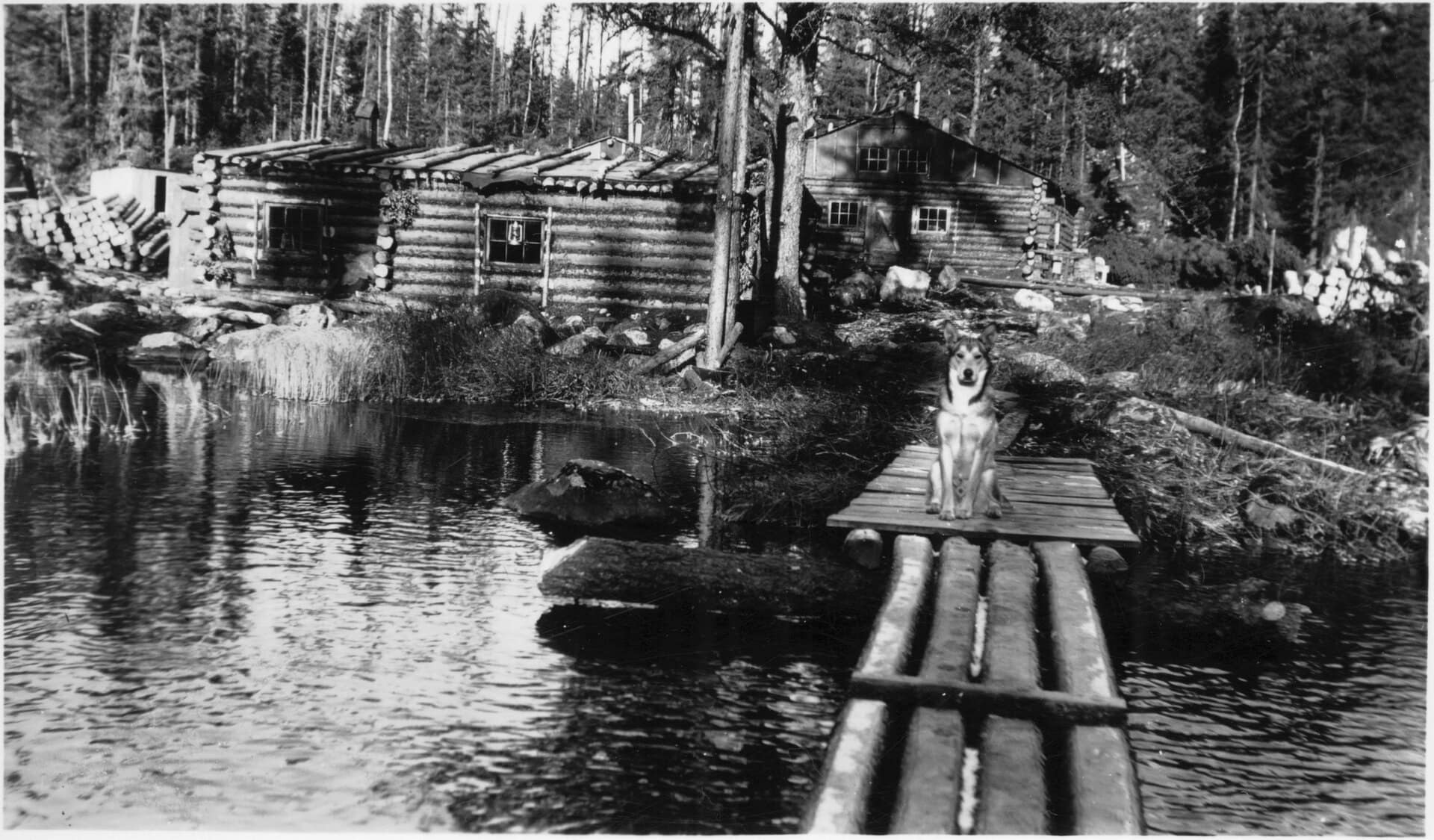
A Finnish bush camp needed a sauna the way a farm needed a well. Men came off the cutting line sore and filthy, and the sauna was where they washed. The photograph at the top of this page shows an Algoma Central Railway lumber camp near Perry, Ontario, around 1933, with its sauna among the log buildings by the water.
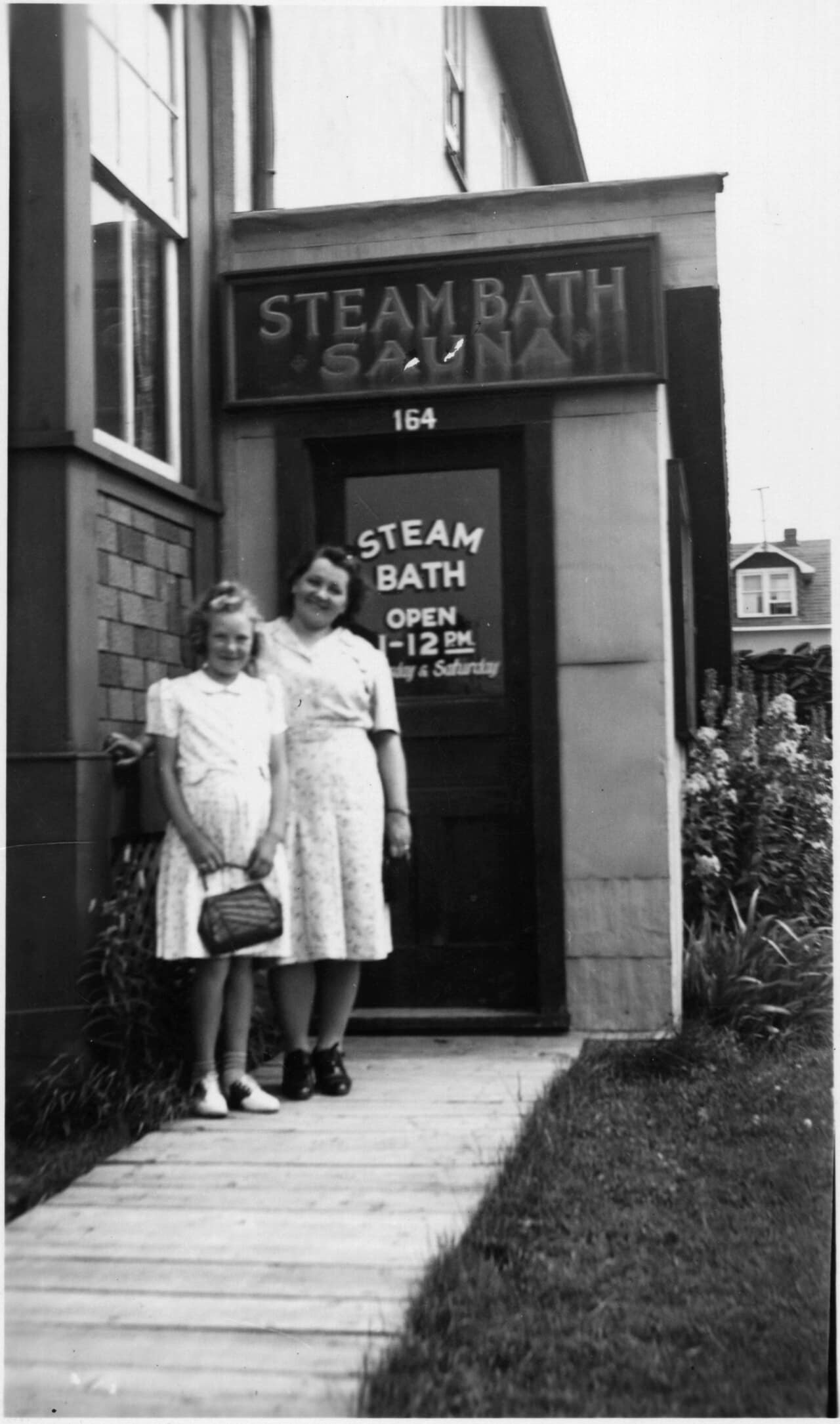
In town, the sauna became a business. The photograph above, from 1946, shows a public steam bath in Cochrane with "Sauna" painted under "Steam Bath" on its sign, for customers who hadn't learned the Finnish word yet. Both pictures come from the Finnish Canadian collection at the Archives of Ontario, which holds hundreds of photos of the community.
Thunder Bay still says sow-na
If we could visit one Canadian sauna town, we'd pick Thunder Bay, because no place here has held on to the sauna like it. The district counted 15,785 people of Finnish origin in the 2016 census, about one in nine residents and the highest share in Canada, the Northern Policy Institute found. Locals say the word the Finnish way, sow-na, and Pedri writes that nearly every camp around the city has one.
Port Arthur's Finns gathered on Bay Street, around the Finnish Labour Temple, finished in 1910. The Hoito restaurant opened in its basement in 1918 to feed bush workers in from the camps, and it was still serving its famous pancakes when fire gutted the building in December 2021. The owner plans to rebuild the façade and reopen the Hoito.
Kangas Sauna has been a Thunder Bay institution since 1967, The Globe and Mail reports. Its first regulars were Finnish bush workers, and today it rents 18 private sauna rooms and runs a diner next door.
A utopian colony on Malcolm Island kept its saunas
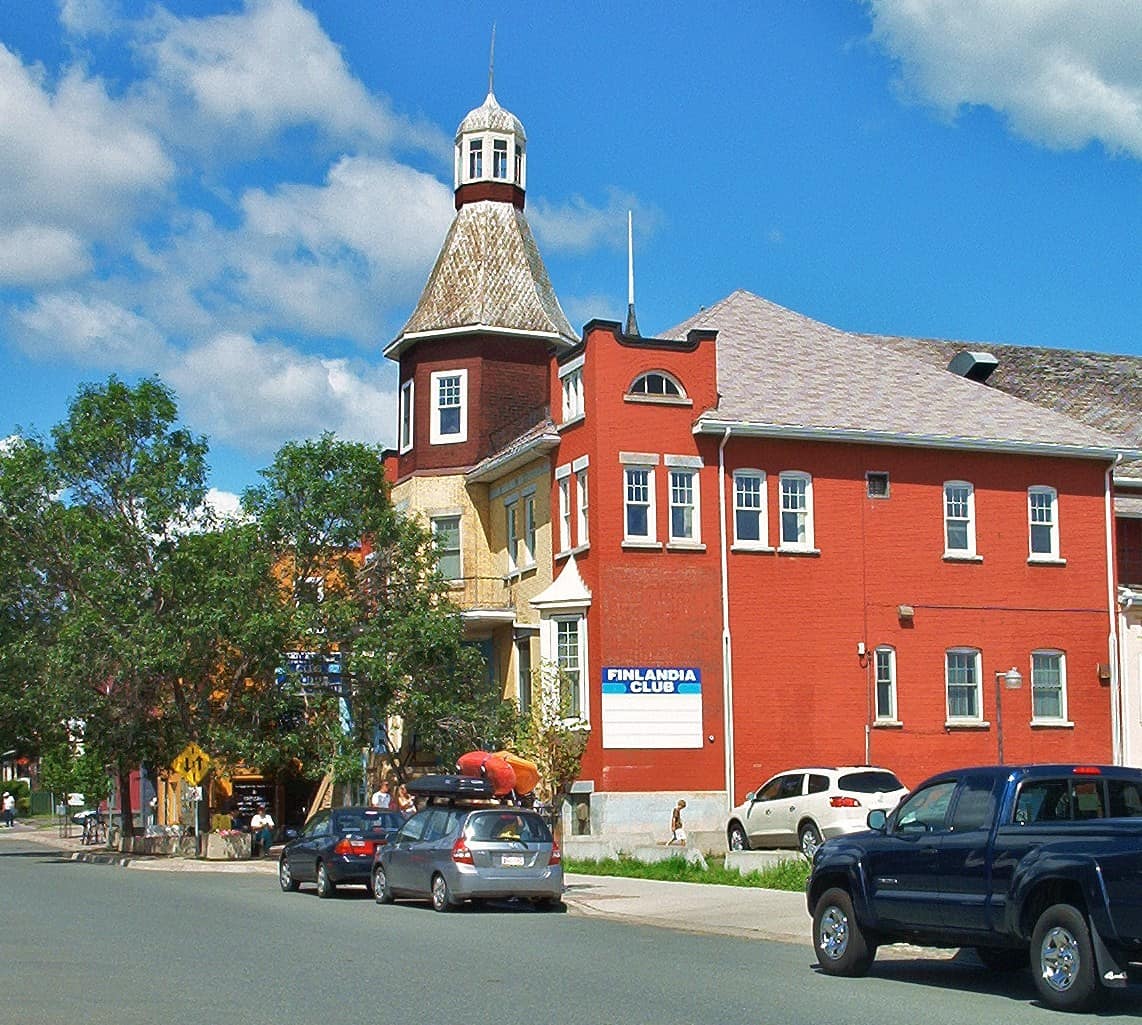
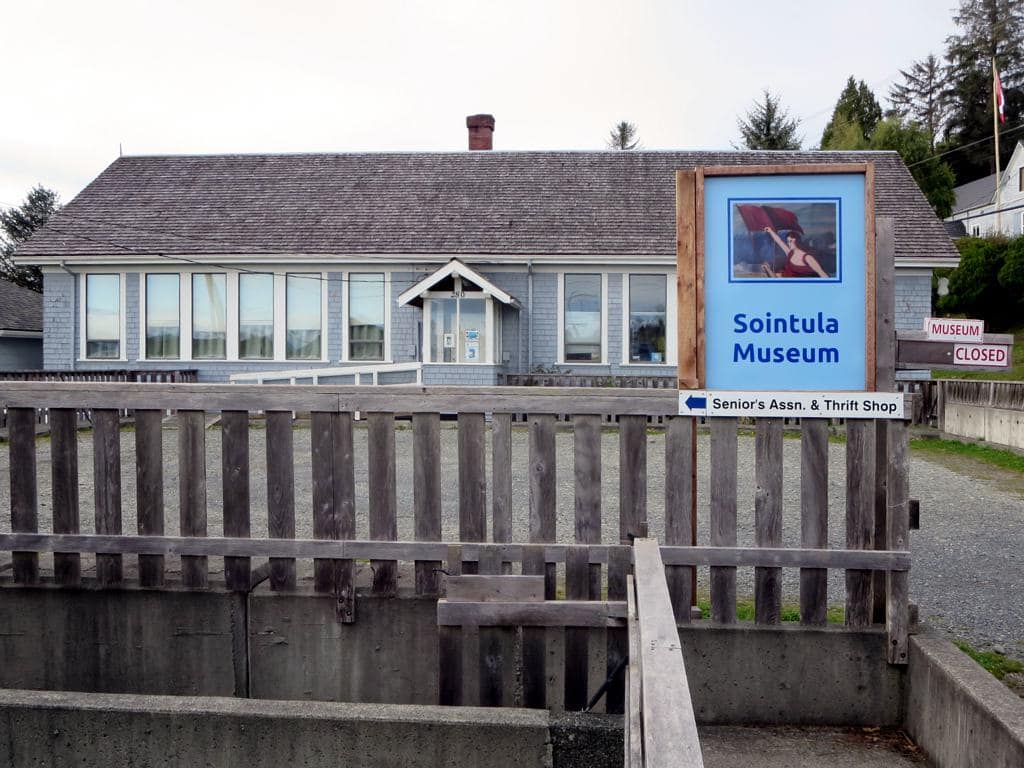
In 1901, Finnish settlers began arriving on Malcolm Island, off the northeast coast of Vancouver Island, to build a socialist colony. Matti Kurikka, a Finnish journalist and political exile, led the colonization company, Kalevan Kansa, and they named the place Sointula, Finnish for harmony. By 1903 it had 238 people, according to the Dictionary of Canadian Biography.
The colony didn't last. A fire in its meeting hall killed 11 people in 1903, debts piled up, Kurikka left with about half the members, and the company was liquidated in 1905. Many families stayed on their plots, though. BC Magazine reports that about half the island still claims Finnish ancestry, and it quotes the historian Andrew Scott on the backyard saunas that still mark the village.
On the Prairies, the sauna survived on the farm
The sauna didn't hold on everywhere. Charles Sutyla, an anthropologist who studied Manitoba's Finns in the late 1970s, found that families who settled on rural land before 1930 mostly kept the sauna. Finns who settled in Winnipeg in the same years mostly gave it up, under heavy pressure to fit in.
The Finns who came after 1950 turned that around. Sutyla found these later, urban arrivals among the sauna's strongest advocates, and he opens his study with a Finnish distinction we like a lot: you don't take a sauna, you go to it.
Quebec's Nordic spas made the sauna a day out
Quebec gave the sauna to Canadians with no Finnish grandparents. The Polar Bear's Club in Saint-Sauveur, in the Laurentians, was the first Nordic spa in the province, according to Tourisme Outaouais. These spas run a cycle borrowed from Scandinavia: a sauna or steam room, a plunge into cold water and a long rest, then round again.
Scandinave Spa opened beside the ski hills at Mont-Tremblant in 1999 and followed it with spas at Blue Mountain in Ontario, in Old Montreal and in Whistler. Two former special education teachers, Daniel Gingras and Martin Paquette, opened Nordik Spa-Nature in Chelsea, near Ottawa, on Canada Day 2005 after a visit to the Polar Bear's Club. Nordik calls it the largest spa in North America, and it has since opened in Winnipeg and Whitby.
City saunas and backyard barrels carry it on
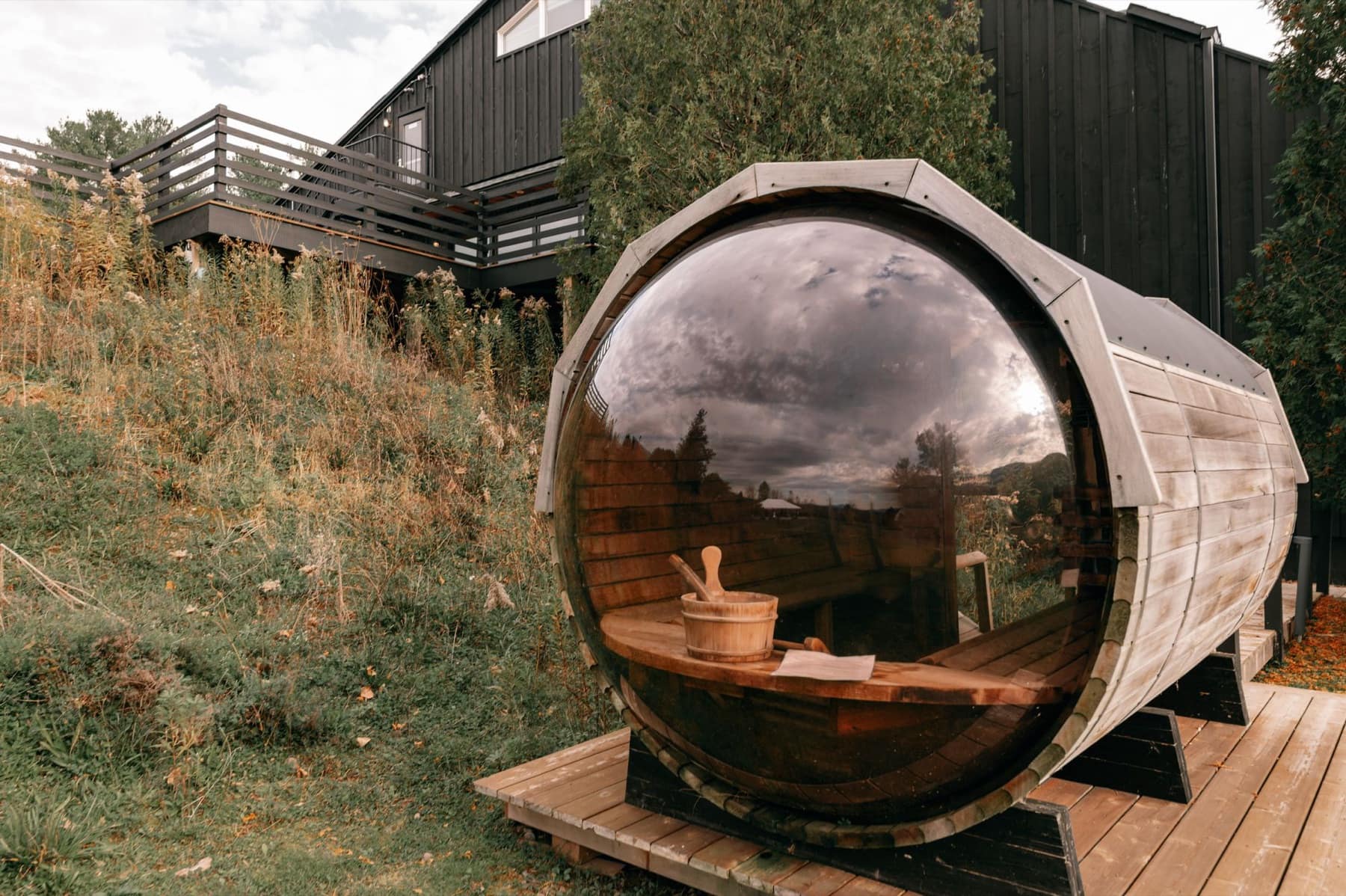
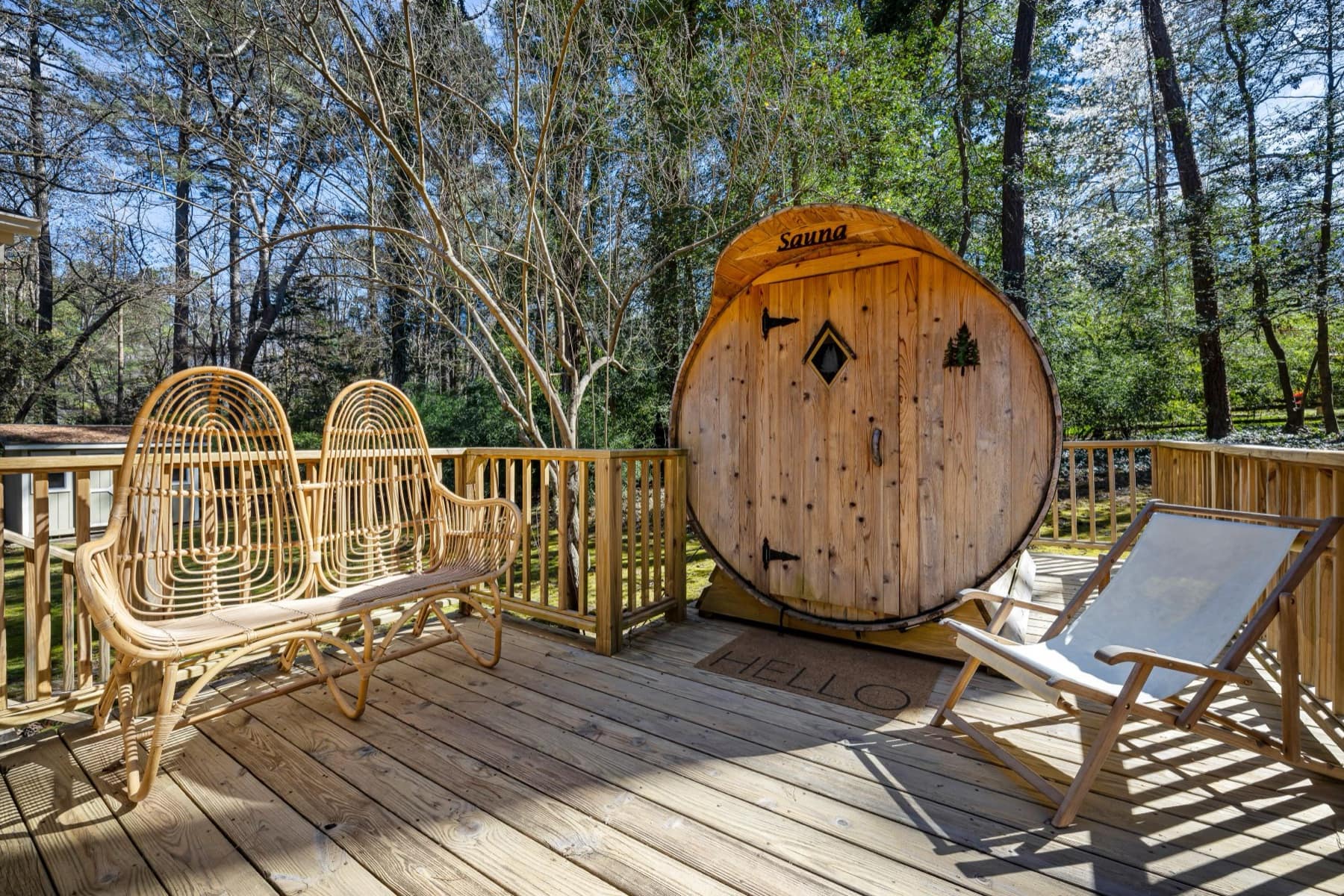
The newest wave puts the sauna back in the middle of town. Othership opened social saunas in Toronto, and The Globe and Mail reported that Sedar Sauna, a wood-fired sauna on wheels, took more than 850 bookings in three months parked by Lake Ontario on pay-what-you-can sessions. Winnipeg's Assiniboine Park rents time in a cedar barrel, and the Sauna Society Canada group on Facebook counts close to 9,000 members building saunas at home.
Those home saunas are where we come in. The makers we list build them in Squamish and Sooke, in Melancthon and Owen Sound and in Saint-Chrysostome, and our roundup of Canadian-built saunas names our first choice.
How did we put this together?
We read the Dictionary of Canadian Biography, The Canadian Encyclopedia, the Northern Policy Institute's census analysis, Charles Sutyla's 1979 University of Manitoba thesis, Oiva Saarinen's history of Sudbury's Finns, and reporting in The Globe and Mail, Geist, Cottage Life and BC Magazine, along with the spas' own accounts, on Oct 11, 2026. The two historical photographs are public domain from the Archives of Ontario's Finnish Canadian collection, and the two modern ones carry their Creative Commons credits. We haven't visited the places in this piece, and Kangas is first on the list.
Common questions
- Who brought the sauna to Canada?
- Finnish immigrants brought the sauna to Canada. They arrived in numbers from the late 1800s to the 1930s, mostly to work on the railways, in mines and in lumber camps in northern Ontario and British Columbia, and they built saunas wherever they settled.
- Which Canadian city has the most Finnish Canadians?
- Thunder Bay, Ontario. The Thunder Bay District had 15,785 people of Finnish origin in the 2016 census, about 11% of its population, which is the highest share and the highest number in Canada, according to the Northern Policy Institute.
- What is Kangas Sauna?
- Kangas Sauna is a public sauna house in Thunder Bay, Ontario, that has operated since 1967. It first served Finnish bush workers and now rents 18 private sauna rooms alongside a diner, according to The Globe and Mail.
- What was the first Nordic spa in Quebec?
- The Polar Bear's Club in Saint-Sauveur, in the Laurentians, was the first Nordic spa in Quebec, according to Tourisme Outaouais. Scandinave Spa followed at Mont-Tremblant in 1999 and Nordik Spa-Nature in Chelsea in 2005.
- How do you pronounce sauna in Canada?
- Most Canadians say saw-na, but in Thunder Bay, with its large Finnish community, people say sow-na, rhyming the first syllable with cow. The Thunder Bay version sits closer to the Finnish.
We review from makers’ documentation, owner reports and published research. How we choose products and write reviews.