Buyer's Guide
How do you wire a sauna heater in Canada?
On its own 240V circuit, with a heater certified for Canada and a timer that shuts off within an hour. We read the code bulletins and two heater manuals and set out the questions for your electrician.
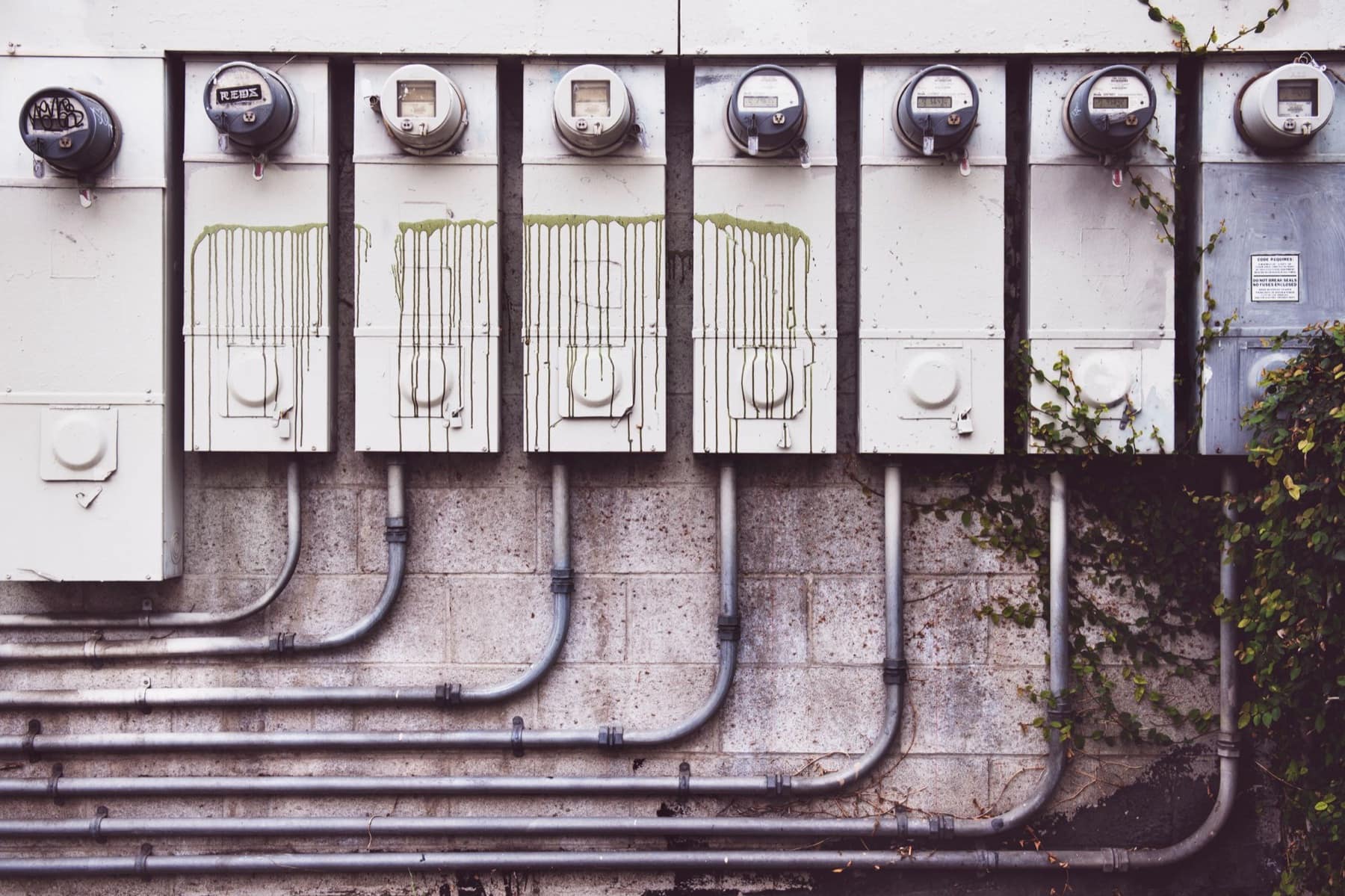
A sauna heater gets its own 240V circuit, hardwired to your panel, and in most homes that means a 40- or 50-amp breaker and heavy copper wire run out to the backyard. The heater must carry a mark certifying it for use in Canada, and Ontario's code wants a timer that cuts the power within an hour with no way to override it. We read the electrical safety authorities' bulletins and Nootka's and Homecraft's installation manuals, and laid out what your electrician will need, along with who may do the work in each province.
What your heater asks of the panel
The current is simple arithmetic: divide the heater's watts by the voltage. A 9 kW heater at 240V draws 37.5 amps by our math, on the same kind of 240V circuit an electric range uses. The makers then set the breaker and the wire size, and those are the figures your electrician will start from.
| Heater | Current | Breaker | Copper wire | Source |
|---|---|---|---|---|
| Nootka 7.5 kW | 31.25 A | 40 A | 10 AWG, 90°C | Nootka heater manual |
| Nootka 9 kW | 37.5 A | 50 A | 8 AWG, 90°C | Nootka heater manual |
| Homecraft Revive 6 kW | 25 A | 40 A | 8 gauge, 90°C | Homecraft Revive manual |
| Homecraft Revive 7.5 kW | 31.3 A | 40 A | 8 gauge, 90°C | Homecraft Revive manual |
| Homecraft Revive 9 kW | 37.5 A | 50 A | 8 gauge, 90°C | Homecraft Revive manual |
From Nootka's heater installation guide and Homecraft's Revive and TKE control manuals, read Oct 10, 2026. Homecraft's 90°C rating comes from its control manual, and an older caution in its Revive manual gives a different wire rating, so your electrician should follow the current tables. Other makers publish their own figures.
The heater has to be certified for Canada
Ontario's electrical product regulation bans selling or using an electrical product that isn't approved, and the approval has to identify it as certified for use in Canada. The Electrical Safety Authority keeps a list of the marks it recognizes, including CSA, Intertek's ETL, QPS and UL. BC sets the same kind of rule through Technical Safety BC.
Two marks don't count on a finished heater. ESA says component marks aren't recognized on complete products, and the European CE mark isn't recognized in Canada at all. We'd check the heater's label for a mark with the Canadian designation before buying, especially on a heater shipped from abroad.
The standard behind the label is CSA C22.2 No. 164, “Electric sauna heating equipment,” which covers permanently connected heaters and their controls. Homecraft and Nootka both cite it for their heaters.
Ontario's code has its own rules for saunas
An ESA bulletin written with the Ontario Fire Marshal sets out the sauna rules in Ontario's electrical code. It calls for a heater labelled for sauna use, mounted to the clearances on its nameplate and never under a shower head. It must run on a timer with a maximum setting of one hour and no override, and a timer that isn't built into the heater goes on the outside wall of the room.
The bulletin also asks for a temperature control in every heated room and keeps nearby combustible surfaces below 90°C (194°F). It notes three deaths from sauna fires in Ontario over ten years, all in commercial facilities.
Nootka's manual allows its timer inside the room, while the code wording puts a separate timer outside. Ask your electrician which arrangement the inspector will accept before the walls are closed up.
A dedicated circuit, 90°C wire and usually no GFCI
Every heater in the table runs on a circuit of its own, and a summary of the 2024 code in Electrical Industry News Week says heating loads over 30 amps need a dedicated branch circuit. The makers call for copper wire rated to 90°C, since the supply runs close to a hot room.
Skip the ground-fault breaker unless your inspector asks for one. Nootka says GFCI breakers aren't compatible with its heaters, and Homecraft says not to use one unless local code requires it. We couldn't find a code rule requiring GFCI on a sauna heater, so this is one to settle with the inspector.
Both makers put the control panel outside the room and ban receptacles inside it, and Nootka suggests a free check of your service panel first. An older house may not have 50 amps to spare.
Getting power out to the backyard
A backyard sauna usually means a buried cable from the house. ESA's buried-wiring sheet gives the minimum cover: 600 mm for unarmoured cable, or 450 mm for armoured cable or cable in PVC conduit, and deeper under a driveway. That sheet predates the 2024 code, so let your electrician confirm the current depths.
Call your province's locate service before anyone digs. The service costs nothing and marks the gas, power and fibre lines already running under the yard.
Who can do the wiring in your province
In Ontario a homeowner may wire their own home once they've notified ESA, ESA says, and a hired electrician has to hold an electrical contractor licence. Friends and family aren't allowed to help. ESA doesn't say whether a detached sauna counts as part of the home, so ask when you file.
BC's homeowner permits from Technical Safety BC cover a single detached house you own and live in, and Vancouver issues its own. In Alberta a resident owner can get a homeowner permit, and the regulation's definition of a home takes in the outbuildings on the same lot. Quebec doesn't allow owner wiring at all, and the RBQ sends that work to a licensed contractor every time.
Even where you're allowed, we'd hire an electrician for a 50-amp circuit to a hot room. Our permits page covers the building and wood-stove side.
What to ask for in the electrician's quote
We'd send the electrician the heater's model and its installation manual before they quote. Ask them to name the breaker, the wire and the cable type, the length of the run and how deep it goes, and whether they'll take care of the permit or the ESA notification. If your panel's short on capacity, the quote should say what it'll take to fix that, since an upgraded service can cost more than the circuit itself.
How did we research this?
We read ESA's sauna bulletin, recognized-marks list, buried-wiring sheet and homeowner pages, Ontario's electrical product regulation, Technical Safety BC's marks bulletin and homeowner permit page, the RBQ's owner-work page, the CSA Group listing for C22.2 No. 164, and Nootka's and Homecraft's installation manuals, all on Oct 10, 2026. The Canadian Electrical Code itself sits behind a paywall, so we've quoted it only through those bulletins and a trade journal's summary, and we've said where a source predates the 2024 edition.
Common questions
- What size breaker does a sauna heater need?
- A 9 kW sauna heater at 240V draws 37.5 amps, and Nootka and Homecraft call for a 50-amp breaker with 8 AWG copper wire. Their 7.5 kW heaters run on a 40-amp breaker. Follow your heater's manual and have an electrician confirm the panel can carry it.
- Does a sauna heater need a GFCI breaker in Canada?
- Usually not. Nootka says GFCI breakers aren't compatible with its sauna heaters, and Homecraft says not to use one unless local code requires it. We found no Canadian code rule requiring GFCI on a sauna heater, so confirm with your inspector.
- Is it legal to wire a sauna heater yourself in Ontario?
- Yes, in your own home, once you've filed a notification with Ontario's Electrical Safety Authority. A hired electrician needs an electrical contractor licence, and Quebec, unlike Ontario, leaves all electrical work to licensed contractors.
- What certification does a sauna heater need in Canada?
- A sauna heater needs a certification mark that identifies it for use in Canada, such as CSA or a Canadian-designated ETL or UL mark. The standard for sauna heaters is CSA C22.2 No. 164, and Ontario's Electrical Safety Authority doesn't accept the CE mark or a component mark on a finished heater.
We review from makers’ documentation, owner reports and published research. How we choose products and write reviews.